Why Hard Services Are Non-Negotiable
If you’re a contractor managing facilities in India or the GCC, hard services aren’t optional—they’re mandatory. These include HVAC systems, plumbing, electrical infrastructure, fire safety installations, and more. Neglecting them doesn’t just mean angry clients; it means compliance failures, operational shutdowns, and lost contracts.
What Are Hard Services?
Hard facilities management (FM) services cover the physical infrastructure of a building. Think mechanical systems, electrical grids, and plumbing. These differ from soft services, which deal with people-centric tasks like cleaning and catering.
Here’s a breakdown of common hard services:
| Hard FM Service | Examples |
|---|---|
| Mechanical Maintenance | HVAC systems, lifts, boilers |
| Electrical Maintenance | Wiring, power distribution, lighting systems |
| Plumbing | Water supply, drainage, piping |
| Fire Safety | Sprinklers, alarms, fire doors |
| Structural Integrity | Building inspections, roofing, façade repairs |
Breakdown of Key Areas
-
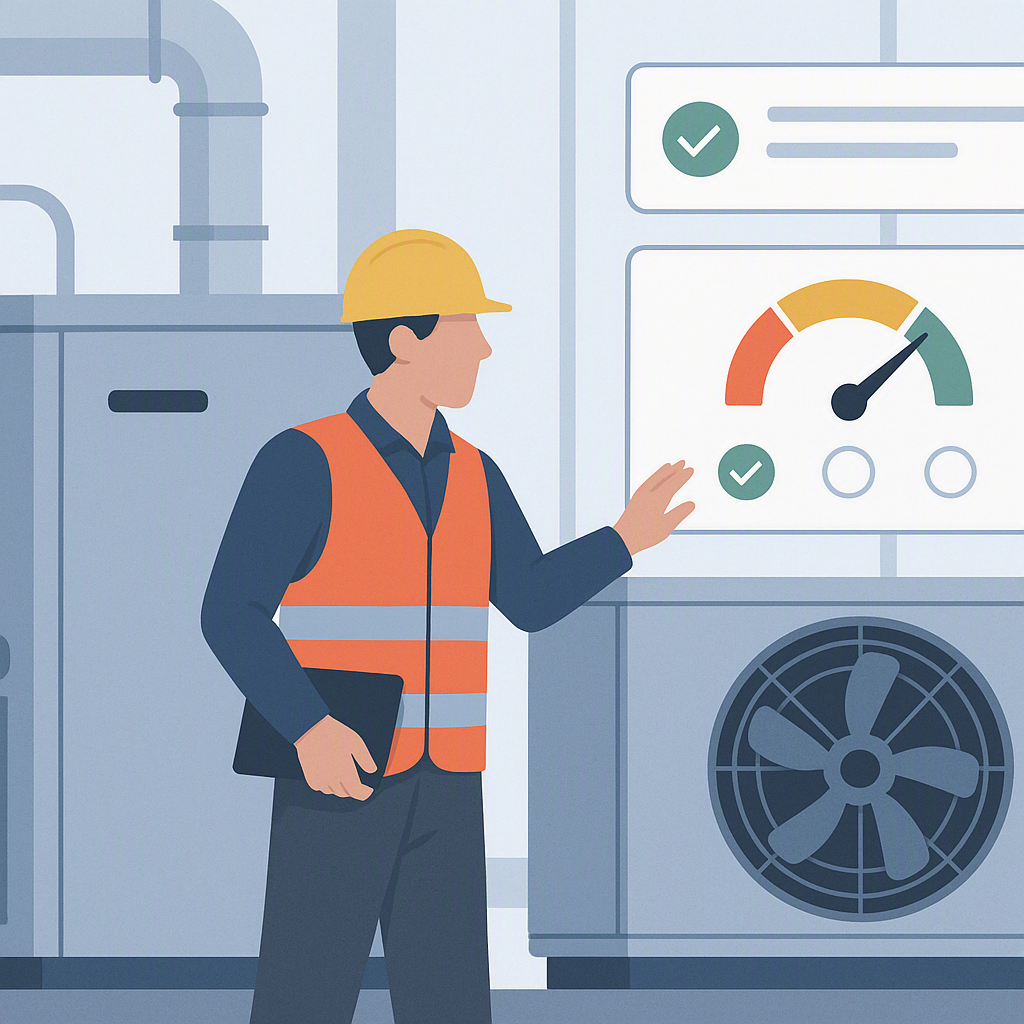
Mechanical Maintenance: This includes the upkeep of HVAC (heating, ventilation, and air conditioning) systems, elevator systems, and boilers. Ensuring these systems operate efficiently is critical for occupant comfort and safety. For example, clogged HVAC filters can lead to poor air circulation and higher energy costs.
-
Electrical Maintenance: Electrical infrastructure includes everything from wiring to lighting systems. Neglecting electrical systems can result in hazards like short circuits or equipment failure.
-
Plumbing: Even small plumbing issues—like a leaking pipe—can escalate into major problems, such as structural water damage.
-
Fire Safety: Fire alarm systems, sprinklers, and fire doors are not just regulatory requirements; they are life-saving systems.
-
Structural Integrity: This includes everything from regular building inspections to maintaining roofs and façades. Ignoring these can lead to critical failures, especially in extreme weather conditions.
The Compliance Headache
Regulations in India and the GCC are strict, and compliance is non-negotiable. Here are the key compliance requirements you need to be aware of in both regions:
Compliance in India
- Bureau of Indian Standards (BIS): The BIS enforces codes related to safety, quality, and energy efficiency.
- National Building Code (NBC): This covers fire safety, plumbing, and electrical standards.
- Environment, Health, and Safety (EHS) Guidelines: Ensuring that facilities meet environmental sustainability and workplace safety standards.
Compliance in the GCC
- Local Municipality Standards: Each GCC country has its own regulatory body overseeing building safety and maintenance.
- Civil Defence Approvals: Fire safety compliance is tightly controlled by civil defence authorities.
- VAT Compliance: Contractors must ensure proper documentation for tax purposes.
Consequences of Non-Compliance
- Financial Penalties: Missing inspections or deadlines often results in fines.
- Project Delays: Without proper approvals, work can grind to a halt.
- Blacklisting: Repeated compliance failures can lead to contractors being banned from bidding on future projects.
Real-World Problem: Poor Procurement Workflow
Procurement is the cornerstone of effective hard FM services, but it’s often riddled with inefficiencies. Consider HVAC systems—delays in material requisitions (MRs) and purchase orders (POs) are common due to poor workflow management.
The Problem
- Approval Delays: Approvals often get stuck in multi-level chains, causing material delays.
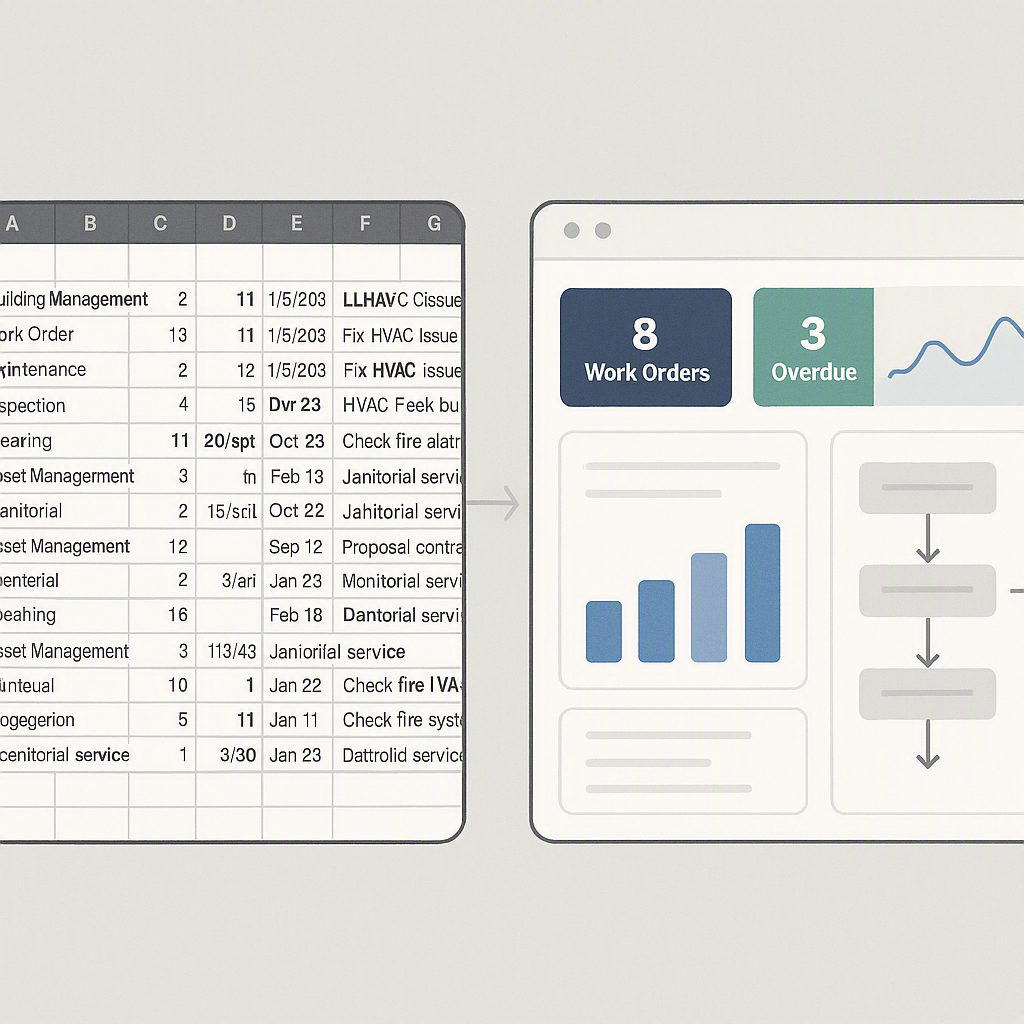
- Disconnected Systems: Without an integrated platform, tracking MRs and POs becomes chaotic.
- Margin Erosion: Delays lead to higher costs and missed project deadlines.
The Solution: Structured Workflows
Implementing structured workflows is critical. Tools like JobNext can help streamline processes:
- End-to-End Visibility: From MR creation to final PO issuance, track every step in real-time.
- Multi-Level Approvals: Automate approval chains to avoid bottlenecks.
- Document Management: Integrated storage for all procurement-related documents ensures easy retrieval.
Asset Tracking: A Game-Changer
Managing assets like HVAC units, generators, and elevators is another area where contractors often fall short. Lack of proper tracking can lead to underutilization, unplanned breakdowns, and inflated costs.
Why Asset Tracking Matters
- Preventive Maintenance: Regularly tracking the condition of assets allows for timely maintenance.
- Cost Control: Knowing the lifecycle of equipment helps in budgeting for repairs or replacements.
- Compliance: Proper documentation ensures that assets meet regulatory standards.
How to Implement Asset Tracking
- Tagging: Assign unique identifiers to all assets.
- Digital Records: Use software to maintain a digital record of each asset’s lifecycle.
- Analytics: Leverage data to predict failures and schedule maintenance.
Cost Estimation for Hard FM Services
Accurate cost estimation is vital for the financial health of any hard FM contract. But contractors often miss critical factors:
- Hidden Costs: Consumables like filters, coolant fluids, and lubricants are often overlooked.
- Manpower Allocation: Balancing the costs of technicians, supervisors, and support staff is complex.
- Replacements vs Repairs: Deciding between repairing or replacing equipment requires a clear understanding of lifecycle costs.
Tools for Accurate Estimation
Platforms like JobNext offer features like BOQ (Bill of Quantities) uploads. Here’s how they help:
- Structured BOQs: Create detailed bills with defined scope hierarchies.
- Historical Data: Use past project data to refine your estimates.
- Dynamic Adjustments: Update costs in real-time as project conditions change.
Hard Services vs Soft Services: Why It Matters
Understanding the distinction between hard and soft services is critical for resource allocation and strategy.
| Service Type | Focus | Examples |
|---|---|---|
| Hard Services | Building systems and safety | HVAC, plumbing, fire safety |
| Soft Services | People-centric tasks | Cleaning, catering, security |
Key Differences
- Foundational vs Supportive: Hard services ensure the building functions, while soft services enhance the occupant experience.
- Regulatory Impact: Hard services are more heavily regulated.
- Cost Implication: Hard services often represent a larger share of FM budgets due to equipment and compliance costs.
Common Mistakes in Hard FM Management
1. Skipping Preventive Maintenance
Waiting for equipment to break down before acting results in higher repair costs and longer downtimes. Schedule regular inspections and servicing to avoid surprises.
2. Underestimating Compliance
Regulations are not just bureaucratic hurdles—they ensure safety and functionality. Allocate resources to monitor compliance obligations actively.
3. Ignoring Data
Without data, you’re flying blind. Invest in analytics tools to track KPIs like equipment downtime, energy efficiency, and service response times.
FAQ
1. What’s the biggest challenge in hard FM services?
Compliance is the top challenge. Contractors must navigate complex regulations, especially in areas like fire safety and electrical systems. Missing even a single inspection can lead to severe penalties.
2. Can contractors use ERP systems for hard FM management?
Yes, ERP tools like JobNext are excellent for integrating procurement, asset tracking, and compliance workflows. They provide a unified platform to manage all aspects of hard FM services efficiently.
3. How do soft services overlap with hard services?
There’s often an overlap. For example, maintaining HVAC systems (a hard service) directly impacts indoor air quality, which is essential for cleaning and workspace comfort (soft services).
4. How often should preventive maintenance be scheduled?
This depends on the asset type and usage. For example, HVAC filters should be checked monthly, while fire safety systems require annual inspections. Refer to manufacturer guidelines and local regulations for specifics.
5. What is the ROI of investing in structured workflows?
Structured workflows reduce delays, improve compliance, and lower operational costs. The ROI typically includes fewer penalties, faster project timelines, and better client satisfaction.
Call to Action
If you’re struggling with procurement bottlenecks, compliance challenges, or asset tracking gaps, JobNext can help. Its unified platform simplifies hard FM workflows, ensuring compliance, cost control, and operational efficiency.
Learn more at JobNext.ai