₹1.2 Crore Lost: The Subcontractor Problem No One Talks About
Subcontractor management is the silent killer of construction margins. Missed measurements, delayed payments, overbilling disputes — these aren't just operational headaches. They're margin erosion that can cost contractors up to ₹1.2 crore annually, as highlighted in this JobNext analysis. What’s worse is that many contractors don’t even realize how much money is slipping through the cracks until it’s too late.
Why It Happens
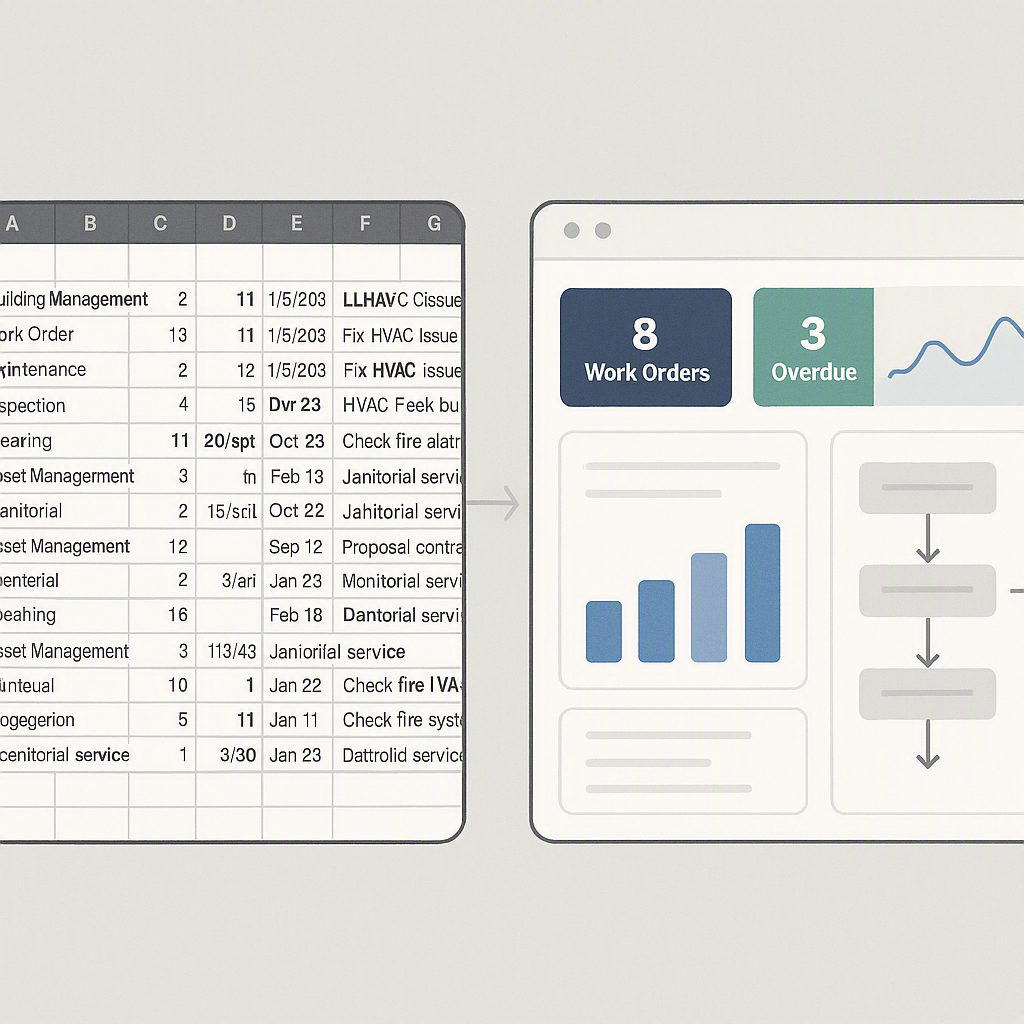
Most contractors rely on outdated systems — spreadsheets, manual approvals, or generic ERPs that don't fit the construction workflow. This creates a fragmented process where subcontractor work gets tracked in silos, and payments often go out without verified progress. Let’s break this down further:
- Overpayments for Unverified Work: Without accurate, up-to-date work measurements, contractors often pay subcontractors for incomplete or substandard work. For instance, a contractor in Chennai reported paying ₹15 lakh extra on a single project due to errors in manual measurement entries.
- Underbilling Clients: Poor subcontractor tracking means contractors often miss billing their clients for completed work. For example, if a subcontractor lays down concrete for a specific section but the contractor forgets to record it, the client invoice may omit this item entirely. Multiply this mistake across multiple projects, and the losses pile up.
Real-World Data
According to a 2022 study by KPMG, 61% of construction companies in India and the GCC report inefficiencies in subcontractor management as a major factor in profit shrinkage. The study also found that companies relying on manual systems experience cost overruns of up to 25% on average.
The Fix: SaaS ERP Built for Contractors
This is where SaaS ERP solutions like JobNext come into play. Unlike generic systems, JobNext is purpose-built for construction. One standout feature? Measurement-based subcontractor tracking with payment controls. Let’s explore how this works in detail:
-
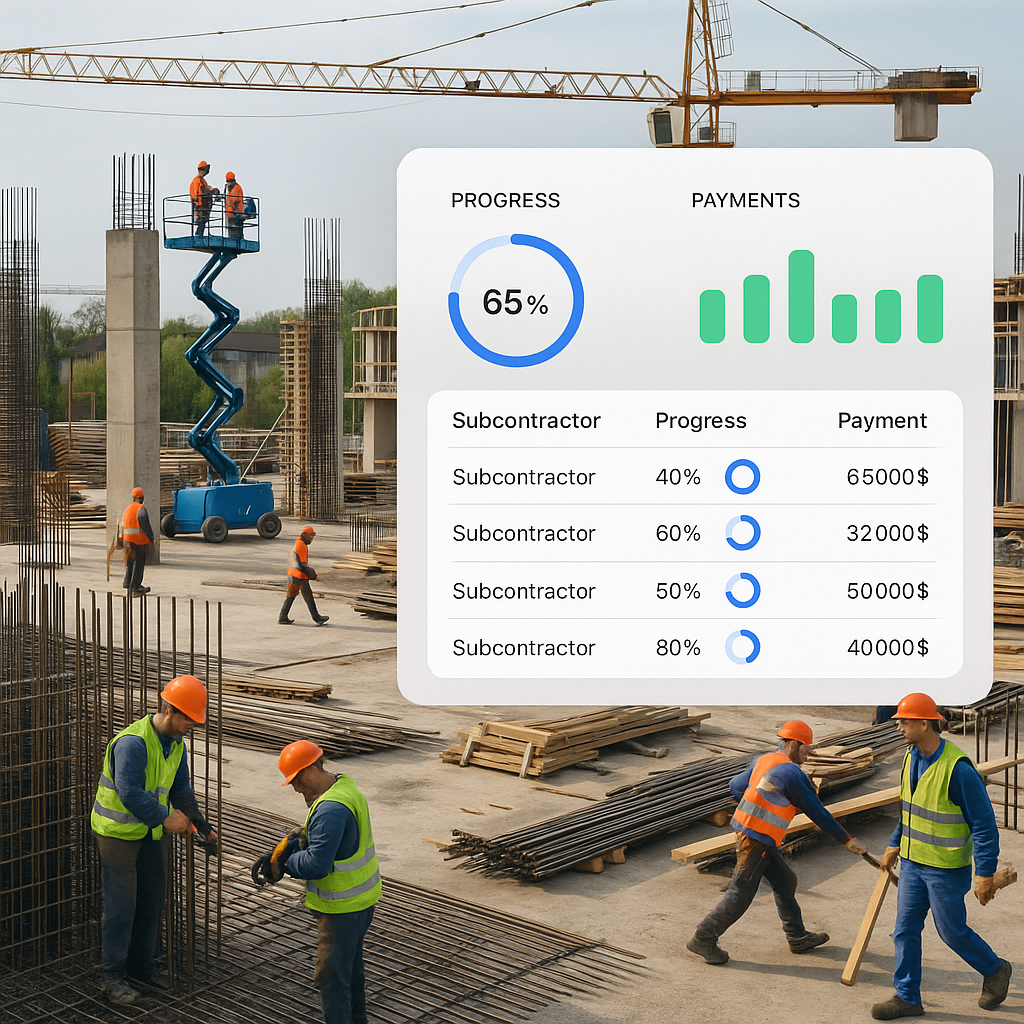
Work Measurements Are Centralized: Every subcontractor's progress is linked to the project's Bill of Quantities (BOQ) and scope. This ensures that no payments can be made unless the work is measured, verified, and matched to the BOQ.
- Example: A contractor in Pune used JobNext to track subcontractor work for a residential tower project. The system flagged a discrepancy where the subcontractor claimed 120 cubic meters of concrete poured, but site measurements showed only 100 cubic meters. This saved the company ₹4.8 lakh in overpayment.
-
Automated Payment Schedules: The system calculates payments based on approved measurements, eliminating overpayments and ensuring timely payouts. This keeps subcontractors happy while maintaining financial control.
- Tip: Set up automated alerts to notify site managers and finance teams when approvals are pending, so no payment is delayed unnecessarily.
-
Auditable Trails: Every change, approval, or rejection is logged. If disputes arise, you have a clear record of what was agreed upon and when.
- Real-World Scenario: A contractor in Dubai resolved a ₹22 lakh dispute with a subcontractor by pulling up logs from JobNext, which showed that work approvals were delayed because of incomplete submissions by the subcontractor.
In my view, this isn’t just about saving money. It’s about building trust. Subcontractors respect contractors who pay fairly and on time, and clients trust those who bill accurately.
The Real-World Impact
Case Study: Mumbai MEP Contractor
Let me tell you about a mid-size MEP contractor in Mumbai. Before switching to JobNext, they were losing money every quarter. Why? They had no system to verify subcontractor work across multiple sites. Payments were based on verbal confirmations or incomplete paperwork, leading to consistent overpayments.
After implementing JobNext’s measurement-to-payment workflow, they cut subcontractor overpayments by 18% in just six months. Here’s the math:
- Before JobNext: ₹50 lakh in subcontractor payouts per quarter, with an estimated 10% overpayment rate (₹5 lakh lost).
- After JobNext: ₹41 lakh in verified payouts per quarter, saving ₹9 lakh every three months.
This isn’t an isolated case. According to a 2023 McKinsey study, implementing digital tools can improve project cost accuracy by 15-20%.
Why Generic ERPs Fail Contractors
You might be thinking, "Why not just use a general ERP?" Here’s the problem: generic ERPs aren’t designed for the unique challenges of construction. They lack:
-
BOQ-Level Cost Tracking: Generic systems often track costs at a project level, not at the granular BOQ or scope level. This makes it impossible to catch margin leaks early.
- Example: A contractor in Bangalore using a generic ERP missed tracking costs for individual BOQ items like steel and cement. This led to a ₹12 lakh discrepancy in project budgets.
-
Flexible Payment Workflows: Construction contracts often involve complex terms — retention, advance payments, and progress-based billing. Generic ERPs can’t handle these nuances.
- Comparison: JobNext’s subcontractor module integrates directly with BOQs, ensuring every rupee spent aligns with your project scope. Generic ERPs, on the other hand, often require extensive customization to achieve similar functionality.
| Feature | Generic ERP | JobNext |
|---|---|---|
| BOQ-Level Cost Tracking | ❌ | ✅ |
| Flexible Payment Workflows | ❌ | ✅ |
| Measurement-Based Approvals | ❌ | ✅ |
| Real-Time Multi-Site Access | Limited | ✅ |
The Bigger Picture: Why SaaS Matters
SaaS (Software as a Service) isn’t just a buzzword. For contractors, it means:
-
Real-Time Access Across Sites: With multi-tenant SaaS like JobNext, you’re not tied to an office server. Site managers, procurement heads, and finance teams can access the same data from anywhere.
- Example: A contractor managing projects in Delhi, Jaipur, and Chandigarh used JobNext to unify data across sites. This cut reporting delays by 80%.
-
Automatic Updates: No more costly upgrades or downtime. SaaS platforms like JobNext roll out updates seamlessly, ensuring your system evolves with your business.
-
Scalability: Whether you’re managing 5 projects or 50, SaaS ERPs grow with you. Need new users or modules? Add them instantly.
Take Action
If you’re bleeding margins due to subcontractor chaos, it’s time to act. Tools like JobNext are purpose-built to solve these problems. Explore how JobNext works →
FAQ
Q: What if my team isn’t tech-savvy?
A: SaaS ERPs are user-friendly, and platforms like JobNext provide training tailored to construction workflows. In addition, JobNext offers dedicated onboarding support to ensure a smooth transition. The ROI is worth the learning curve.
Q: How does JobNext handle compliance?
A: JobNext automates GST and TDS calculations, integrates with Tally for Indian statutory reporting, and ensures compliance with local labor laws. This reduces manual errors and ensures timely filings.
Q: Can I customize workflows?
A: Yes, JobNext offers role-based access controls and multi-level approval workflows. You can customize these to match your company’s specific processes.
Q: How quickly can I see ROI after implementing JobNext?
A: Most contractors report measurable savings within the first 3-6 months. This includes reduced overpayments, faster client billing cycles, and improved cash flow.
Q: Is JobNext suitable for small contractors?
A: Absolutely. JobNext is scalable, making it ideal for companies of all sizes. Small contractors benefit from the same features as larger firms without the overhead of complex IT setups.
Learn more at JobNext.ai