₹1.2 Crore Lost to Subcontractor Chaos: SaaS ERP Fixes That Work
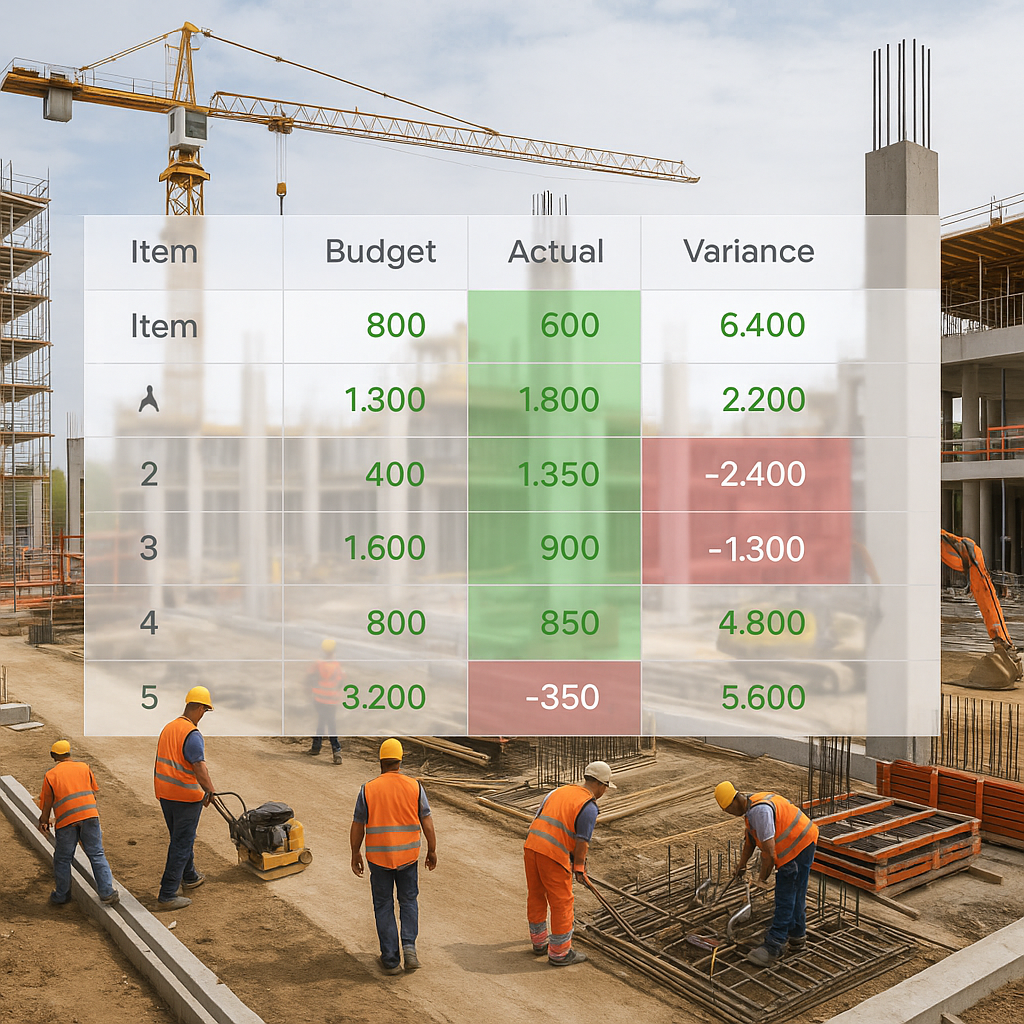
Margins in construction are razor-thin, and mismanaged subcontractor workflows can easily erode them. In fact, contractors in India and GCC lose up to ₹1.2 crore annually due to poor subcontractor cost control. That’s not just a number—it’s the brutal reality of manual tracking, inconsistent progress measurement, and uncontrolled payments.
The Problem: Why Subcontractor Chaos Happens
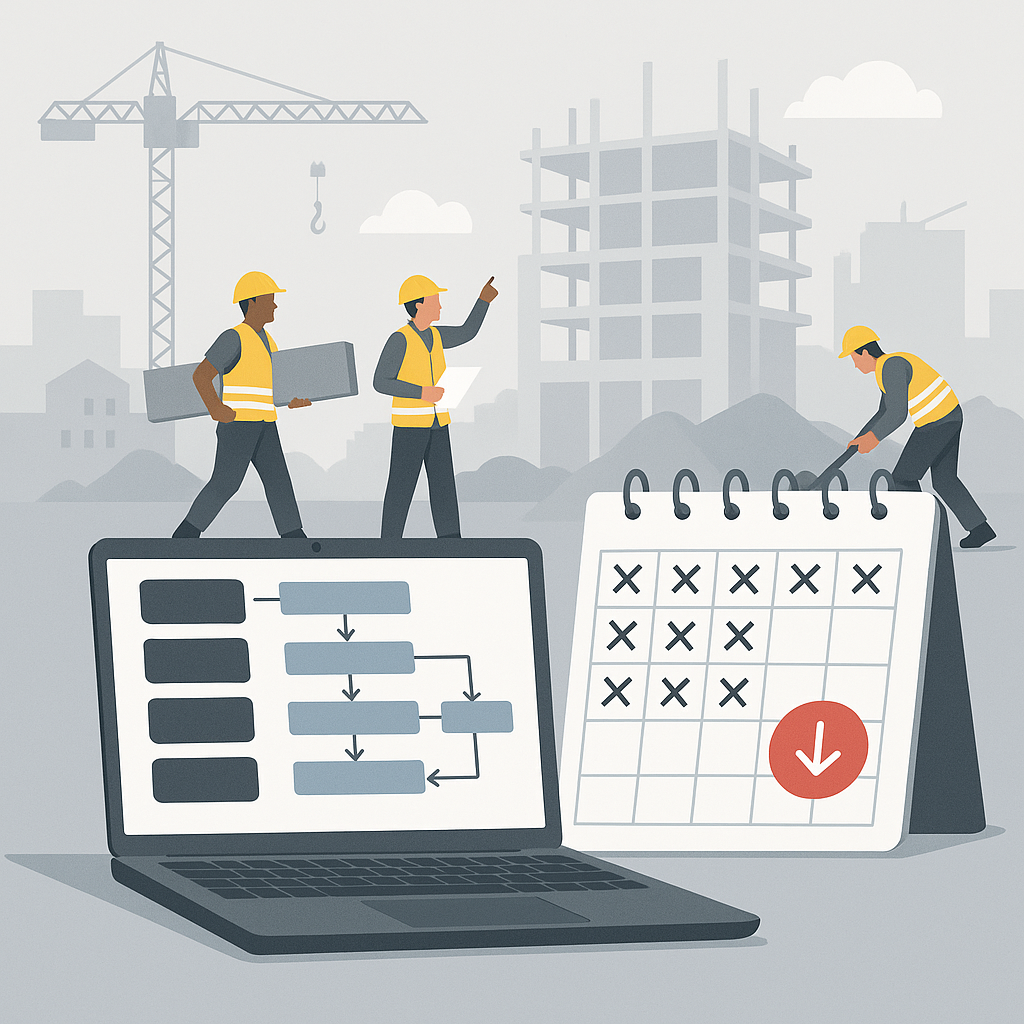
Managing subcontractors is messy. You’re dealing with work allocation, progress tracking, certification, and payments—all of which need to align with contracts and budgets. Without a structured system:
- Progress measurement errors: Tracking work done manually (or worse, not at all) leads to disputes and overruns.
- Payment inconsistencies: Subcontractors get overpaid or underpaid, creating tension and trust issues.
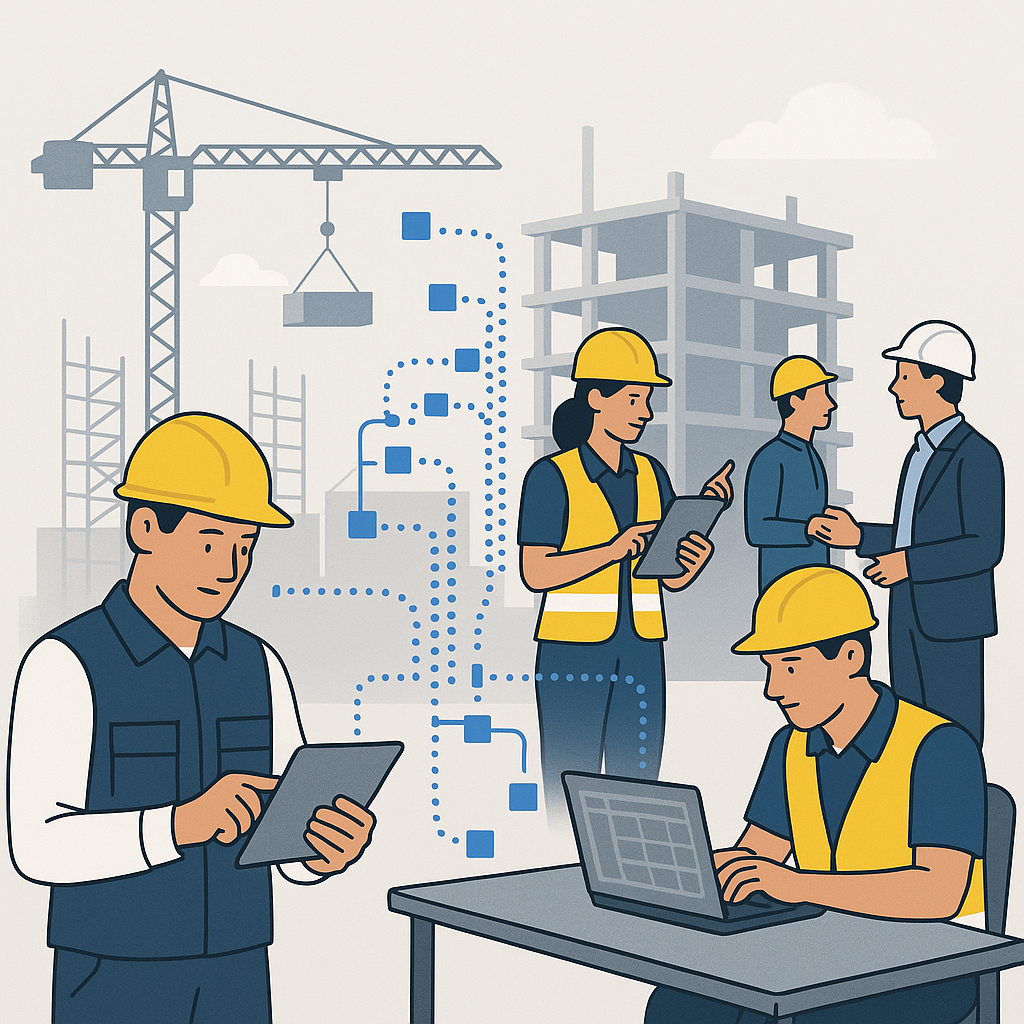
- Lack of visibility: You can’t see where things stand across all your sites, leaving you vulnerable to cost overruns.
A Closer Look at the Problem
Let’s break this down further with real-world scenarios:
-
Progress Measurement Errors: Picture a subcontractor claiming 70% of a foundation slab is complete. Without a proper measurement system, the project manager might rely on visual assessment or verbal confirmation—a process prone to error. Later, when the slab fails an inspection, the company realizes they’ve overpaid for incomplete or subpar work. This leads to disputes, rework, and cost overruns.
-
Payment Inconsistencies: A contracting firm in Mumbai unknowingly overpaid ₹25 lakh to a subcontractor due to a clerical error in manual spreadsheets. The subcontractor had already moved on to other projects, making recovery of the funds almost impossible. Such incidents not only damage cash flow but also erode trust in the subcontractor relationship.
-
Lack of Visibility: A project manager working on multiple sites struggles to get real-time updates. One site overuses materials, while another lags behind schedule. Without centralized visibility, issues go unnoticed until they snowball into major problems.
The SaaS ERP Fix: Structured Subcontractor Management
To fix this chaos, you need more than just good intentions—you need a system. JobNext ERP introduces a structured workflow that transforms subcontractor management. Here’s the process:
- Work Request → Request for Proposal → Work Order → Measurements → Certification → Payment
- Every step is traceable and auditable.
How JobNext Works
-
Work Allocation:
- Tasks are assigned based on approved Bill of Quantities (BOQ) and Work Breakdown Structure (WBS) hierarchies.
- This ensures subcontractors only work on what has been approved, eliminating scope creep and unauthorized tasks.
Example: A contractor in the UAE uses JobNext to allocate tasks to their subcontractors. By tying work allocations to the BOQ, they avoided ₹15 lakh worth of unauthorized work in one quarter.
-
Progress Tracking:
- Completed work is measured using predefined methods: quantity, scope, or percentage.
- Subcontractors submit progress reports, which are verified against actual work done on-site.
Actionable Steps:
- Implement digital measurement tools like laser scanning or drones to ensure data accuracy.
- Create milestone-based check-ins to catch discrepancies early.
Example: A mid-sized EPC contractor in Oman faced constant disputes over subcontractor payments. They were using spreadsheets to track progress, which led to errors and arguments. Implementing JobNext’s measurement-based progress tracking fixed the issue. Payments were tied to certified measurements, preventing overbilling and ensuring transparency.
-
Controlled Payments:
- Payments are only released after work is certified as complete and aligned with budgets.
- This ensures subcontractors are paid fairly and on time, while contractors maintain strict budget control.
Actionable Steps:
- Conduct joint certifications with subcontractors to foster transparency.
- Use automated alerts to prevent payment delays and track certification bottlenecks.
Real-World Example: Solving Measurement-Based Disputes
A mid-sized EPC contractor in Oman was constantly at odds with subcontractors over payment disputes. They relied on manual spreadsheets to track progress, which were prone to error. JobNext ERP introduced measurement-based progress tracking, tying payments directly to certified work. Not only did disputes drop by 90%, but the company also saved ₹50 lakh in a single year by avoiding overpayments.
Why Generic ERP Doesn’t Cut It
Generic ERP systems aren’t built for the complexities of construction workflows. They lack the tools required for:
- BOQ Management: Construction projects rely on detailed BOQs to define the scope and cost of work. Generic ERPs don’t provide the granularity needed.
- Measurement-Based Tracking: Unlike retail or manufacturing, construction progress is measured in unique ways—by quantity, percentage, or milestones. Generic ERPs can’t handle these nuances.
- Multi-Site Coordination: Construction projects often span multiple locations. Without a central system to manage subcontractors across sites, tracking costs and progress becomes impossible.
Why JobNext Stands Out
JobNext is purpose-built for construction. Here’s how it compares:
| Feature | Generic ERP | JobNext ERP |
|---|---|---|
| BOQ Management | Limited or non-existent | Granular BOQ integration |
| Progress Measurement | Basic milestone tracking | Detailed measurement tools |
| Multi-Site Coordination | Manual workarounds needed | Centralized dashboard |
| Subcontractor Payments | Generic workflows | Certified, measurement-based |
| Audit Trail | Limited visibility | Fully traceable workflows |
JobNext isn’t just a tool; it’s a tailored solution for contractors who need precise control over subcontractor workflows.
Actionable Steps to Implement JobNext ERP
If you’re ready to fix subcontractor chaos, here’s how to start:
-
Audit Your Current System:
- Identify gaps in your existing processes: Are you overpaying subcontractors? Is progress tracking error-prone?
-
Set Clear Goals:
- Define what you want to achieve with an ERP. Examples: reduce disputes by 50%, save ₹20 lakh in one year, or improve project visibility across all sites.
-
Implement in Phases:
- Start with one project or site. Roll out features like BOQ management and progress tracking incrementally.
-
Train Your Team:
- A tool is only as good as the people using it. Provide training sessions to ensure your team understands the system.
-
Monitor and Optimize:
- Use JobNext’s reporting features to identify bottlenecks and optimize workflows over time.
FAQ Section
Q1: How does JobNext prevent subcontractor overpayments?
A: Payments are tied directly to certified measurements. Subcontractors can only invoice for work that’s been approved against the BOQ and scope hierarchy. This ensures payments are accurate and fair.
Q2: Can JobNext handle multiple subcontractors on the same project?
A: Yes, JobNext tracks progress and payments for each subcontractor individually while consolidating data for project-wide visibility. This is especially useful for large projects with multiple teams.
Q3: How does JobNext improve transparency?
A: The structured workflow ensures every step, from work allocation to payment, is traceable and auditable. This reduces disputes and builds trust with subcontractors.
Q4: Is JobNext suitable for small contractors, or is it only for large firms?
A: JobNext scales with your business. Whether you’re managing one site or fifty, the platform can handle your subcontractor workflows efficiently.
Q5: How quickly can I see ROI after implementing JobNext?
A: Contractors typically see ROI within 6-12 months. Savings come from reduced disputes, fewer overpayments, and improved project efficiency.
The Bottom Line
Subcontractor chaos isn’t inevitable—it’s fixable. With structured workflows like those in JobNext ERP, contractors can regain control, protect margins, and ensure smooth operations. If your business is bleeding cash due to poor subcontractor management, it’s time to make a change.
Sources:
: Construction Industry Insights, 2022.: JobNext Product Documentation.: Case Study: EPC Contractor in Oman.: Comparison of ERP Systems for Construction, 2023.
Learn more at JobNext.ai