Top 5 Recruitment Automation Trends in 2026: Practical Insights for Mid-Market Companies
Recruitment is messy. It’s a process full of bottlenecks, manual inefficiencies, and costly delays, especially for mid-market companies managing multiple projects. If you’ve ever scrambled to mobilize a site team only to find that key hires won’t onboard for another two weeks, you know what I’m talking about. By 2026, recruitment automation will no longer be optional — it’ll be survival.
Here are five trends shaping the space, along with a practical look at how tools like JobNext are already making a difference for construction, contracting, and facilities management firms.
1. AI-Driven Candidate Screening
Let’s face it: resumes lie. Or at the very least, they don’t tell the whole story. By 2026, AI will dominate the screening process, not just for big tech companies but for mid-market firms too. AI tools will analyze candidate profiles, match skills to job roles, and even predict cultural fit. But there’s a catch: these systems need data — and lots of it — to make reliable decisions.
Take JobNext’s Candidate Module, for example. When HR teams upload candidate details (either one-by-one or in bulk for large mobilizations), the system assigns a "match score" based on criteria like skills, experience, and job location. This is a lifesaver for companies hiring hundreds of workers for a new project. Instead of manually sifting through stacks of resumes, recruiters can focus their energy on candidates who are already a good fit.
But here’s the thing: AI isn’t magic. Algorithms only work as well as the data you feed them. A poorly designed system will amplify biases or make bad recommendations. For example, if your database is overwhelmingly filled with candidates of a certain demographic, the algorithm may unintentionally prioritize those candidates. That’s why explainability — knowing why a candidate was matched — is becoming non-negotiable. If your hiring platform can’t show its work, you’re flying blind.
To make AI-driven screening work for you, here are actionable steps:
- Prioritize data quality: Make sure your candidate database is well-structured and up to date. Inaccurate or inconsistent data can lead to skewed results.
- Choose platforms with explainable AI: Opt for tools that provide transparency in how match scores are calculated. This helps build trust in the system and allows HR teams to catch errors.
- Train your team on bias awareness: Even with explainable AI, human oversight is crucial to catch and correct unintentional biases in the data or recommendations.
External source: Joveo highlights explainable AI as a key trend for 2026.
2. End-to-End Recruitment Workflows
Remember when recruitment was just a combination of job postings and interviews? Those days are long gone. In 2026, end-to-end workflows — from requisition creation to onboarding — will be table stakes. Why? Because fragmented processes are expensive. They waste time, frustrate candidates, and create compliance risks.
JobNext’s HR Requisition Workflow is a good example of how automation can streamline this. Here’s how it works:
- A project manager forecasts staffing needs and raises a Mobilisation Request.
- The request goes through a four-level approval chain — Commercial, Operations, Accounting, and HR — to ensure alignment with budgets and timelines.
- Once approved, the system auto-generates a requisition tied to the specific project.
- HR uploads candidates (or uses existing databases) and tracks them through a centralized pipeline.
- From there, HR can manage everything — shortlisting, interviews, offers, and onboarding — in one place.
This kind of integration isn’t just a luxury. It’s how firms avoid the chaos of ad-hoc hiring, reduce miscommunication, and ensure that new hires hit the ground running.
To implement end-to-end workflows effectively:
- Map your current recruitment process: Identify gaps, redundancies, or bottlenecks. For example, are approvals delayed because they’re routed through email?
- Adopt tools that centralize data: An all-in-one platform like JobNext ensures that everyone — from project managers to HR — is on the same page.
- Automate repetitive tasks: Use automation to handle time-consuming steps, like generating requisitions or sending follow-up emails to candidates.
Primary site reference: Why Inaccurate Time Records Are Contractors’ Biggest Compliance Blind Spot. Tracking hiring and onboarding timelines is critical for compliance and cost control.
3. Bulk Recruitment Meets Precision
Mid-market contractors in the GCC and India often face a unique challenge: they need to hire at scale, but they can’t afford to compromise on quality. The days of manually entering hundreds of candidate details into spreadsheets are over. Bulk recruitment tools, powered by automation, are changing the game.
In JobNext, for instance, the Upload Candidate feature allows HR teams to quickly populate the system with worker details for large recruitment drives. Imagine you’re ramping up for a new EPC project in Saudi Arabia. You need 300 laborers, 50 welders, and 20 electricians ready to mobilize in 30 days. With bulk upload capabilities, you can import all candidate data at once, assign match scores, and start the screening process immediately. Better yet, you can track their expected joining dates against project timelines to avoid delays.
This isn’t just about speed. It’s about precision. By combining bulk uploads with AI-driven screening, companies can scale their hiring efforts without sacrificing quality.
Steps to get the most out of bulk recruitment tools:
- Organize your candidate data in advance: Use standardized templates to ensure bulk uploads are seamless.
- Combine bulk tools with filtering capabilities: After uploading, use filters to narrow down candidates by skill, location, or availability.
- Track metrics: Monitor time-to-fill and dropout rates to identify inefficiencies in your bulk hiring process.
External source: Simplicant on AI-driven bulk hiring tools.
4. Data-Driven Decision Making
Gut feelings don’t cut it anymore. Recruitment decisions in 2026 will rely on cold, hard data. Predictive analytics — using historical data to forecast hiring needs, candidate success rates, and even retention risks — will be central to every HR strategy.
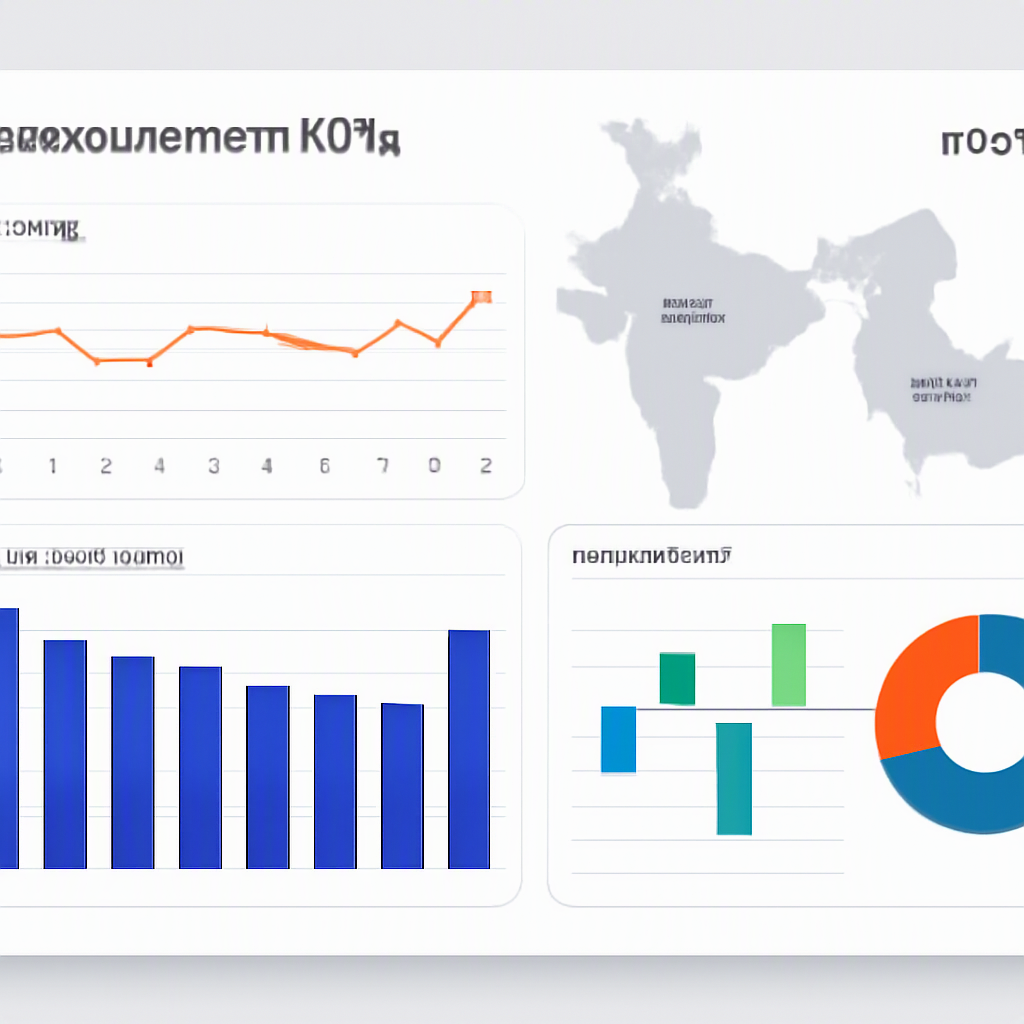
JobNext already incorporates analytics into its recruitment tools. For instance, HR managers can access dashboards to monitor metrics like:
- Requisitions by status (open, filled, cancelled)
- Time-to-fill for each position
- Match score trends
- Candidate pipeline health
This kind of visibility isn’t just nice to have. It’s essential for spotting bottlenecks, identifying where candidates drop off, and ensuring that projects stay on schedule. For example, if you notice that your time-to-fill is spiking for a specific role, you can dig into the data to understand why. Are you getting enough qualified candidates? Are they rejecting offers? Or is the bottleneck further down the pipeline?
Steps to leverage data effectively:
- Set benchmarks for key metrics: Know your average time-to-fill, offer acceptance rates, and onboarding duration.
- Use predictive analytics: Choose platforms that forecast hiring needs based on project timelines and historical trends.
- Regularly review dashboards: Ensure your team is trained to interpret data and take corrective action when necessary.
Primary site reference: How AI Helps Contractors Standardize Communication Across Teams. Consistent, data-driven processes reduce inefficiencies and improve team alignment.
5. Compliance-Proof Recruitment Processes
In 2026, compliance isn’t just about avoiding fines — it’s about protecting your reputation. Labor laws in the GCC and India are evolving rapidly, with stricter requirements for contractor transparency, wage compliance, and worker welfare. Recruitment automation tools will need built-in compliance features to help companies stay on the right side of the law.
JobNext addresses this challenge with features like:
- GST and TDS compliance for payroll processing
- Audit trails for all hiring decisions, from candidate shortlisting to offer approvals
- Integrated statutory deductions like PF and ESI
- Bank guarantee tracking for contracts involving subcontractors
For example, when HR teams update candidate statuses in the Candidate Module, every action is logged. If a labor audit happens, you can pull up detailed records to show that hiring and onboarding followed due process.
Steps to ensure compliance:
- Audit your current processes: Check for gaps in documentation or statutory reporting.
- Use tools with built-in compliance checks: Automation platforms like JobNext simplify tracking and reporting for labor laws.
- Train HR on local laws: Ensure your team understands compliance requirements in each region where you operate.
External source: GSDCouncil on compliance in recruitment.
Conclusion
Recruitment automation in 2026 isn’t just about saving time. It’s about making smarter decisions, reducing risks, and staying competitive in a tough market. For mid-market contractors juggling multiple projects, tools like JobNext aren’t just helpful — they’re essential.
If you’re struggling with manual hiring processes or compliance risks, JobNext can help. Explore JobNext’s recruitment automation tools →.
Learn more at JobNext.ai