Why Margins Are Shrinking for Contractors
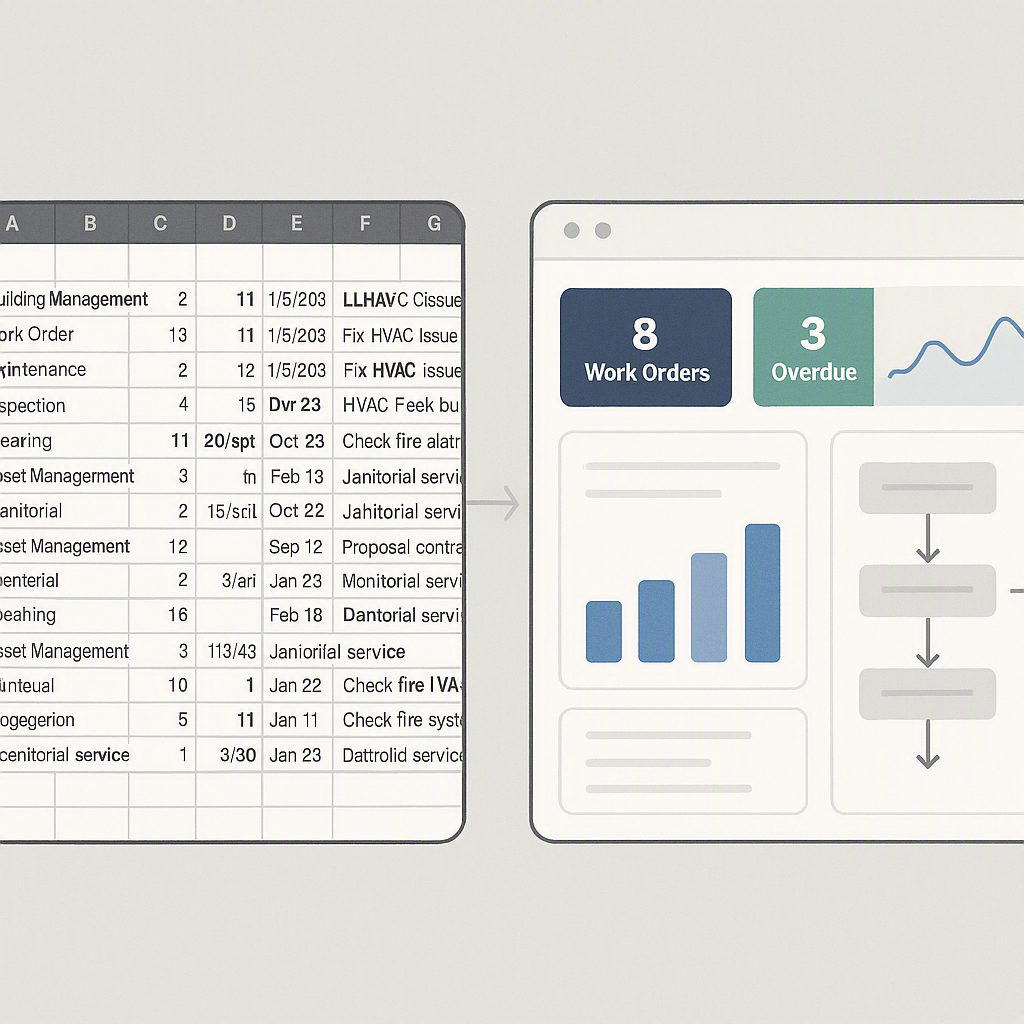
Margins in the construction industry are under constant pressure. Material costs fluctuate. Labor costs rise. And if you're running multiple projects across different sites, tracking these costs manually feels like herding cats. The result? You think a project is profitable until you realize the cost overruns have quietly eroded your margins.
According to a McKinsey report, large-scale contractors lose up to 30% of their potential profitability due to inefficiencies. For mid-market contractors, the number might be slightly lower, but the pain is just as real. The root cause? Poor cost tracking.
Manual Cost Tracking: A Recipe for Disaster
Let’s say you’re managing five simultaneous projects. You’ve got BOQs, scopes, and estimates for each. But the procurement process is fragmented across multiple emails and spreadsheets. Subcontractor payments are delayed because progress measurements weren’t updated. And you’re spending hours reconciling billing methods across RA Bills, one-time invoices, and monthly billing schedules.
Sound familiar? This chaos isn’t just frustrating—it’s expensive.
We’ve seen contractors lose up to 20% of their margins because they couldn’t track costs accurately. It’s why cloud-based ERP systems are becoming a necessity, not a luxury.
How SaaS ERP Fixes the Problem
SaaS ERP systems, like JobNext, solve this problem by giving you real-time visibility into project profitability. Instead of relying on disconnected tools, you get one unified platform that tracks costs down to the last BOQ line item.
For example, JobNext’s project profitability monitoring lets you:
- Track budgets vs. actuals: Compare estimated costs with real-time spend across materials, labor, equipment, and overhead.
- Monitor BOQ progress: Get granular insights into which line items are on track and which are overshooting.
- Automate procurement workflows: From material requests (MR) to purchase orders (PO), every step is structured and logged.
This isn’t just theory. According to JobNext’s blog, contractors using cloud ERP systems reduce margin erosion by up to 20% because they can see—and fix—cost overruns before it’s too late.
Real-World Example: A Mid-Sized EPC Contractor
Take a mid-sized EPC contractor based in Oman. Before switching to SaaS ERP, their procurement team struggled with vendor offers getting lost in email chains. This delayed PO approvals and caused material shortages on-site. Worse, they couldn’t reconcile subcontractor payments because measurement-based progress tracking wasn’t centralized.
After deploying JobNext, they streamlined their MR → RFQ → PO workflow. Vendor offers were tracked in one system, approvals were automated, and subcontractor payments were tied to verified progress measurements. The result? A measurable 15% improvement in project profitability.
Why Multi-Tenant SaaS Matters
Not all ERP solutions are created equal. On-premise systems require significant upfront investment and ongoing maintenance. SaaS ERP, on the other hand, operates on a subscription model, reducing IT overhead.
But the real game-changer is multi-tenant architecture. This means:
- Lower costs: You share infrastructure with other users, reducing your expenses.
- Scalability: Whether you’re managing 10 projects or 100, the system scales effortlessly.
- Automatic updates: Your ERP stays compliant with the latest statutory requirements (think GST/TDS in India or VAT in GCC).
JobNext, for instance, uses a multi-tenant SaaS model that’s tailor-made for contractors. It supports GCC payroll compliance, GST/TDS reporting, and even integrates with Tally for statutory filings. This eliminates the headache of juggling compliance manually.
Conclusion: It’s Time to Stop Bleeding Margins
If you’re still relying on spreadsheets, disconnected tools, or outdated on-premise systems, you’re losing money—plain and simple. SaaS ERP isn’t just about technology. It’s about profitability.
Want to understand exactly how SaaS ERP can help your business? Check out Why Contractors Can't Grow Without Cloud ERP: A Real Example. It’s packed with real-world insights on how contractors are plugging revenue leaks using cloud ERP.
Or, if you’re ready to explore solutions tailored to your needs, visit JobNext to learn more.
Ready to see JobNext in action?
Multi-tenant SaaS ERP for construction, facilities management, and contracting — covering preconstruction, project execution, procurement, HR & payroll, equipment, finance, and 150+ analytics reports.
Get Started Free →Learn more at JobNext.ai