Contractors Are Bleeding Margins — And Manual Systems Are to Blame
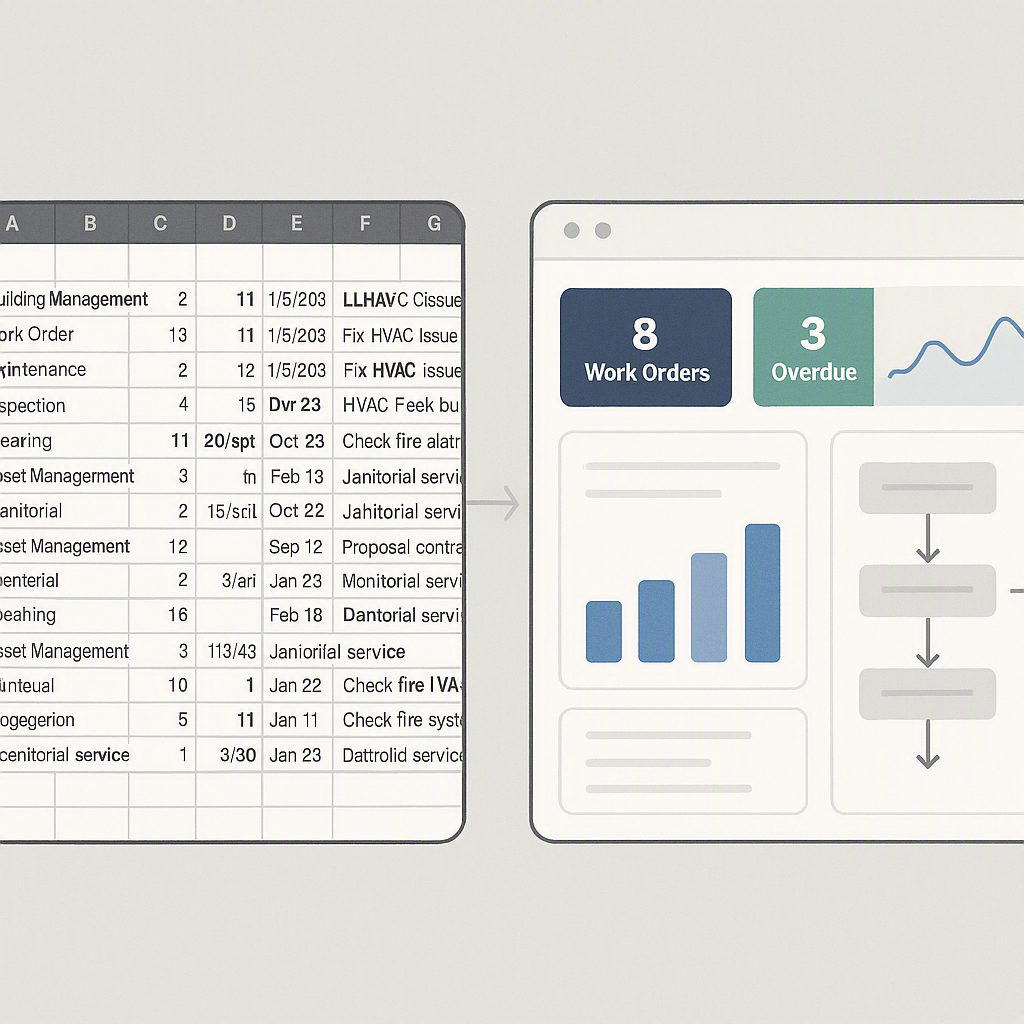
Margins in construction are razor-thin. Most contractors operate at 5-10% profit margins, and any misstep can quickly erase profitability. Yet, many mid-market contractors are still relying on spreadsheets, siloed tools, or outdated on-premise ERPs to run their projects. That’s a problem.
Why? Because these systems can’t track project profitability in real time. You might think a project is on track, only to realize weeks later that material costs overshot estimates or labor expenses ballooned. By then, it’s too late to course-correct.
Here’s the hard truth: Without real-time cost tracking, you’re flying blind. And blind pilots don’t land planes safely.
How SaaS ERP Changes the Game
SaaS ERP solutions, especially multi-tenant ones, are purpose-built to tackle these exact issues. They unify every part of your business — tendering, procurement, billing, HR, finance — into a single platform. This integration isn’t just convenient; it’s critical.
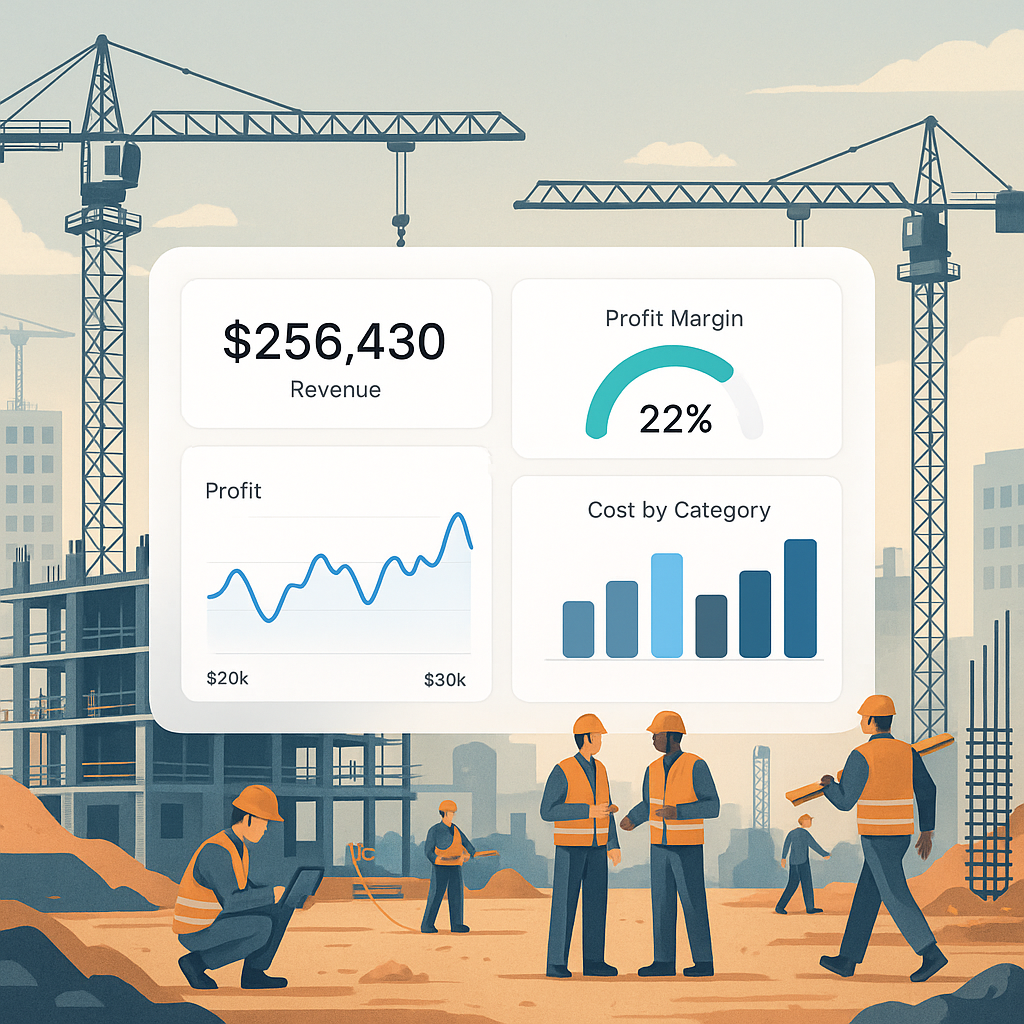
Take JobNext, for example. It’s a SaaS ERP designed for contractors running multiple projects. One standout feature? Real-time project profitability monitoring. With JobNext, you can track costs across BOQs, scopes, and estimates as they happen. No more waiting for month-end reconciliation to find out if you’re bleeding money.
A Real Example: Plugging Revenue Leaks
Let’s talk billing. Many contractors lose revenue because their billing process is chaotic. Missed line items, delayed invoices, or incorrect billing methods can all erode your margins. JobNext solves this with six billing methods — including RA Bills, stage-wise, and supply BOQ — so nothing falls through the cracks.
A contractor we interviewed in the UAE used to lose nearly ₹10 lakhs annually due to misbilled RA Bills. After adopting JobNext, they automated their billing process, ensuring every billable item was accounted for. The result? A 12% increase in project profitability. Read more about how cloud ERP stops revenue leakage here.
Why Multi-Tenant SaaS Matters
Some contractors worry about moving to a cloud-based ERP. They ask, “Isn’t it risky to store sensitive data offsite?” Or, “Won’t it cost more in the long run?”
Here’s the thing: Multi-tenant SaaS ERPs like JobNext are designed for security, scalability, and cost-efficiency. With built-in role-based access controls and multi-level approval workflows, you can ensure only the right people see sensitive data. Plus, multi-tenant systems spread infrastructure costs across all users, making them far more affordable than maintaining on-premise servers.
Still skeptical? Consider this: The total cost of ownership (TCO) for SaaS ERP is often 30-50% lower over five years compared to legacy systems. And the ROI? Contractors typically see cost savings within 6-12 months, thanks to improved efficiency and fewer errors. Why contractors using cloud ERP grow faster explains this in detail.
What Happens If You Don’t Switch?
You might think your current system is “good enough.” But let’s be honest: How many hours do your teams waste reconciling data between tools? How much revenue slips through the cracks due to manual errors? How often do you struggle to get a clear picture of project profitability?
In 2024, contractors who ignore cloud ERP risk falling behind. Margins are shrinking, projects are growing more complex, and manual systems can’t keep up. This article lays out the risks of stagnating without cloud ERP.
Key Takeaways
- Contractors lose up to 20% of their margins due to poor cost tracking and disconnected systems.
- SaaS ERP unifies tendering, procurement, billing, HR, and finance into a single platform, giving you real-time visibility into project profitability.
- Multi-tenant SaaS solutions like JobNext are secure, scalable, and cost-effective — with ROI visible in under a year.
- Ignoring cloud ERP isn’t just risky; it’s a recipe for stagnation in an industry where margins are everything.
Still on the fence? Ask yourself: Can your business afford to keep losing margins while competitors adopt smarter tools? If not, it’s time to act.
Ready to see JobNext in action?
Multi-tenant SaaS ERP for construction, facilities management, and contracting — covering preconstruction, project execution, procurement, HR & payroll, equipment, finance, and 150+ analytics reports.
Get Started Free →Learn more at JobNext.ai